
The internet works on links, and links only work properly when they are written in a clean and correct format. But sometimes, URLs break, look messy, or turn into strange combinations of symbols and percentages. This is where many people come across what is often called a URL Decoder Spellmistake issue. It usually happens when a link is not properly encoded or decoded, making it unreadable or unusable.
If you have ever clicked a link and seen something like random characters, % signs, or broken text, you are not alone. This problem is very common for beginners, developers, and even digital marketers. The good thing is that it is not a serious error and can be fixed easily once you understand how URL decoding actually works.
What is URL Decoder Spellmistake
A URL Decoder Spellmistake is not an official technical error, but a term people use when a URL becomes unreadable or incorrectly formatted due to encoding issues. In simple words, it happens when a web address is not properly converted back into a readable format after being encoded.
Normally, URLs cannot contain spaces or certain special characters. So, systems convert them into a format like %20 or %3A. When this conversion is not handled correctly, or when it is not decoded properly, the result looks messy and confusing. This is what people refer to as a URL decoding mistake.
Many users think the link is broken or the website is down when they see this type of issue. But in reality, the link just needs proper decoding. Once it is decoded, it becomes readable again and works normally in browsers or applications.
How URL Encoding and Decoding Work in Simple Terms
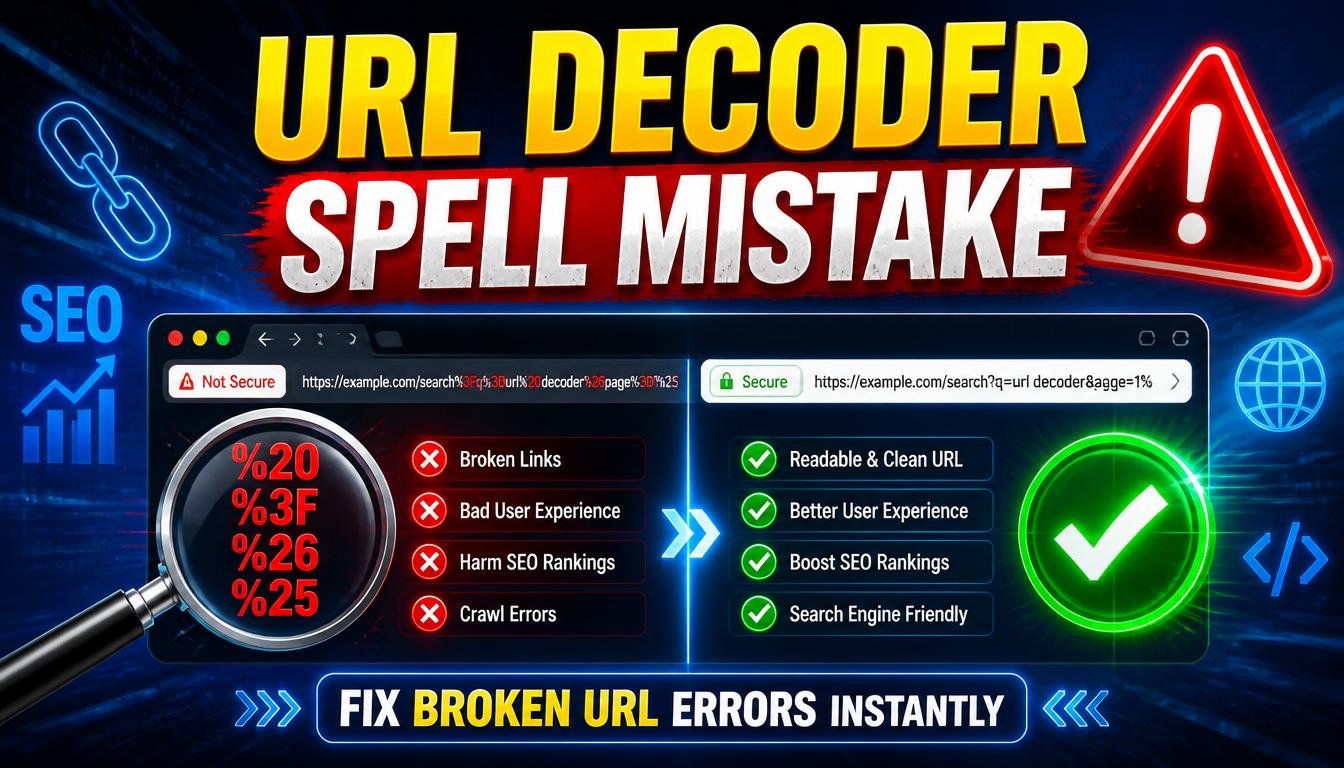
To understand a URL Decoder Spellmistake, you first need to understand how encoding works. URL encoding is a process where special characters in a web address are converted into a safe format so that browsers can read them properly. For example, a space becomes %20, and certain symbols are replaced with percent-based codes.
Decoding is the reverse process. It takes those encoded values and converts them back into normal, readable text. So when decoding works properly, a messy URL becomes clean and understandable again. This process happens automatically in most browsers, but sometimes errors occur when systems fail to decode correctly.
In real-world usage, encoding and decoding are extremely important for search engines, APIs, tracking links, and online platforms. Without it, many URLs would break or fail to load properly. That is why even a small mistake in encoding or decoding can lead to confusion and what users describe as a URL Decoder Spellmistake.
Common Causes of URL Decoder Spellmistake Errors
One of the main reasons behind a URL Decoder Spellmistake is incorrect formatting during link creation. When URLs are manually edited or copied from different sources, special characters may not be handled properly. This can cause the link to break or display strange symbols instead of readable text.
Another common reason is system mismatch. Sometimes one platform encodes a URL differently, while another system fails to decode it properly. This mismatch creates confusion and results in broken or partially readable links. It is especially common in analytics tools, email tracking links, and third-party applications.
A third reason is user error. Many people copy long URLs without realizing that some parts are already encoded. When they try to decode or re-encode them again, it creates duplication or corruption in the link structure. This is one of the most frequent causes seen in everyday internet use.
Real World Problems When URLs Break
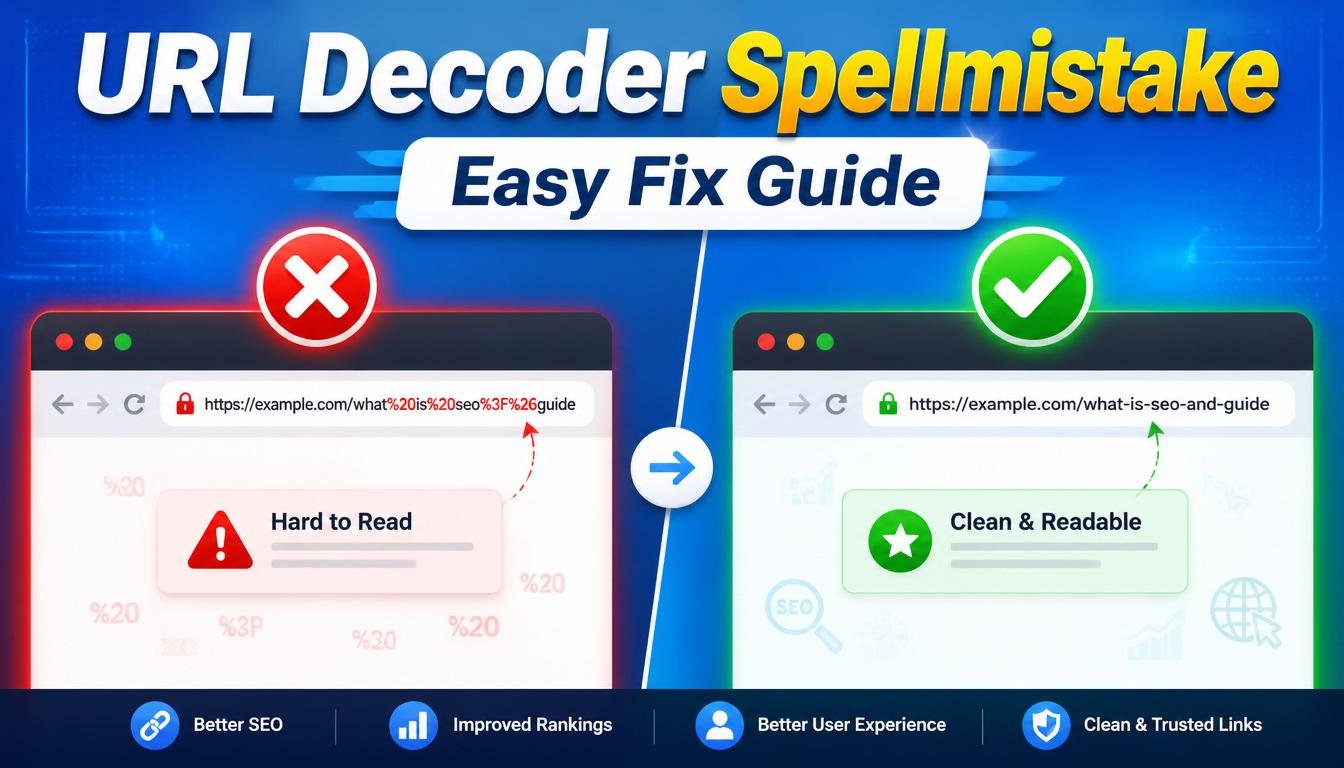
When a URL Decoder Spellmistake happens, the most obvious issue is that the link stops working properly. Users may click on a link expecting a webpage, but instead they land on an error page or see broken text in the address bar. This creates a poor user experience and reduces trust in the website.
For businesses and marketers, this problem can be even more serious. Broken URLs in ads, emails, or social media campaigns can lead to lost traffic and reduced conversions. Even a small encoding mistake can prevent users from reaching the intended landing page, which directly affects performance and revenue.
In technical systems, broken URLs can also interfere with data tracking and API responses. When links are not decoded properly, systems may fail to read parameters correctly. This can lead to missing data, incorrect analytics, or even system errors in more complex applications.
Step by Step Understanding URL Decoding Process
| Character | Correct Hex (Percent Encoding) | Common “Spell Mistake” / Error |
| Space ( ) | %20 or + | Leaving spaces unencoded can break the URL completely |
| Ampersand (&) | %26 | Not encoding it can break query parameters |
| Hash (#) | %23 | Turns into a fragment and may stop server processing |
| Question Mark (?) | %3F | Can wrongly start or split query string |
| Percent (%) | %25 | Not encoding causes double-encoding or URL errors |
Best Ways to Fix URL Decoder Spellmistake Issues Online
Fixing a URL Decoder Spellmistake is usually simple once you know what is causing the issue. One of the easiest methods is to use online decoding tools. These tools automatically convert encoded URLs into readable formats without requiring any technical knowledge.
Another effective method is to carefully recheck the URL structure. Many times, the issue comes from double encoding, where a URL has been encoded more than once. Removing the extra encoding layer often fixes the problem instantly and restores the correct link format.
In more advanced cases, developers fix these issues by adjusting how their systems handle encoding rules. This ensures that URLs are consistently encoded and decoded across different platforms. Once properly configured, the chances of encountering such errors become very low.
Tools and Methods Used by Developers and Marketers
Tools Used for URL Encoding and Decoding
Developers and digital marketers use different online and built-in tools to handle URL encoding and decoding. These tools help them quickly detect broken or unreadable links and convert them into proper format. It saves a lot of time, especially when working with large websites or handling bulk URLs in campaigns. Most tools are simple to use and do not require deep technical knowledge, which makes them very useful for beginners and professionals alike.
Role of Programming Languages in Fixing URL Issues
In development environments, programming languages already provide built-in functions for encoding and decoding URLs. These functions automatically convert special characters into safe formats and also decode them back when needed. This reduces the chance of manual errors and keeps URLs consistent across applications. As a result, developers can avoid many common issues related to URL Decoder Spellmistake and ensure smoother website performance.
Importance of Tracking Tools for Marketers
Marketers rely heavily on tracking tools that generate encoded URLs for campaigns, ads, and emails. These tools ensure that every click is properly tracked without breaking the structure of the link. However, even small mistakes like copying or editing the URL incorrectly can create decoding issues. That is why marketers always double-check their links before using them in live campaigns to avoid broken redirects and performance loss.
How to Prevent URL Encoding Mistakes in Future
Preventing a URL Decoder Spellmistake is much easier than fixing it after it happens. The key is to always use proper encoding methods instead of manually editing URLs. When URLs are handled automatically by trusted tools or systems, the risk of errors becomes very low.
It is also important to avoid unnecessary copying and pasting of long encoded URLs. Each time a URL is modified manually, there is a chance that encoding may be disrupted. Keeping URLs clean and untouched whenever possible helps maintain their integrity.
Finally, testing links before using them in live environments is a smart practice. Whether it is a website, email campaign, or advertisement, checking URLs beforehand ensures that users will not face broken links or decoding errors.
Conclusion
A URL Decoder Spellmistake may sound technical, but it is actually a simple issue caused by incorrect encoding or decoding of web addresses. Once you understand how URLs are structured and how decoding works, it becomes easy to identify and fix these problems. With the right tools and careful handling, you can ensure that your links always stay clean, functional, and user-friendly.
FAQs
What is URL Decoder Spellmistake?
URL Decoder Spellmistake is a common term used when a URL becomes broken, unreadable, or incorrectly encoded, making it hard to open or understand.
Why does URL encoding error happen?
It usually happens when special characters in a URL are not properly converted or when a link is encoded or decoded incorrectly more than once.
How can I fix a broken encoded URL?
You can fix it by using online URL decoder tools or by checking if the URL has been double-encoded and correcting it manually.
Is URL decoding important for websites?
Yes, it is very important because it ensures links work properly and users can access web pages without errors or broken links.
Can URL Decoder Spellmistake affect SEO?
Yes, broken or incorrect URLs can hurt SEO because search engines may not crawl or index pages properly if links are not readable or functional.