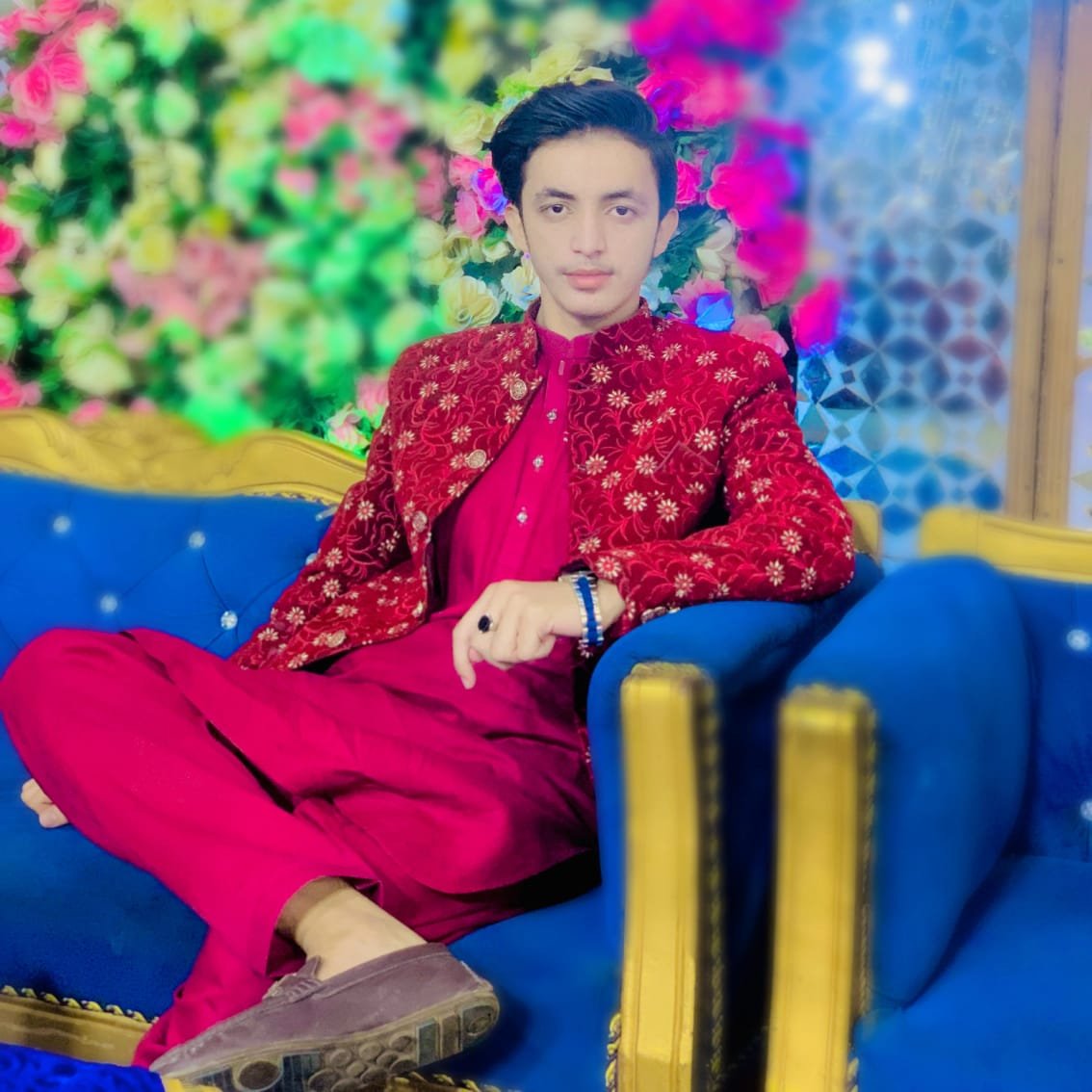
The term Tumbons appears in different cultural and contextual discussions, and in many interpretations, it is associated with traditional lifestyle elements, textile usage, and evolving design aesthetics. In the modern digital age, such terms are often explored through cultural, historical, and fashion-related perspectives, where meaning is not always fixed but can expand depending on context and interpretation. This makes Tumbons an interesting concept for understanding how traditional ideas transform into modern creative expressions.
Fashion design today is no longer limited to clothing alone. It represents identity, culture, storytelling, and innovation at the same time. Designers across the world are constantly inspired by traditional elements from different regions and reinterpret them into modern styles. This process creates a strong connection between heritage and contemporary fashion. In this broader sense, Tumbons can be understood as part of this transformation where traditional influences evolve into modern design thinking and creative direction.
Traditional Cultural Influence in Fashion
Traditional culture plays a powerful role in shaping fashion across the world. Every region develops its own unique materials, weaving techniques, patterns, and symbolic meanings that are passed from generation to generation. These cultural elements become the foundation of identity in fashion design and help define how communities express themselves visually.
In many societies, clothing is not only functional but also deeply symbolic. It reflects social status, spiritual beliefs, environmental adaptation, and artistic expression. Traditional garments often use natural fabrics, handmade techniques, and embroidery styles that carry historical and emotional meaning. These garments are not just clothing pieces but cultural stories woven into fabric.
When we explore concepts like Tumbons in a cultural sense, they can be linked to traditional practices where textiles or garments represent comfort, lifestyle, and regional identity. These cultural foundations influence modern designers who study them carefully and reinterpret them into new and creative forms. In this way, tradition becomes the starting point for modern innovation.
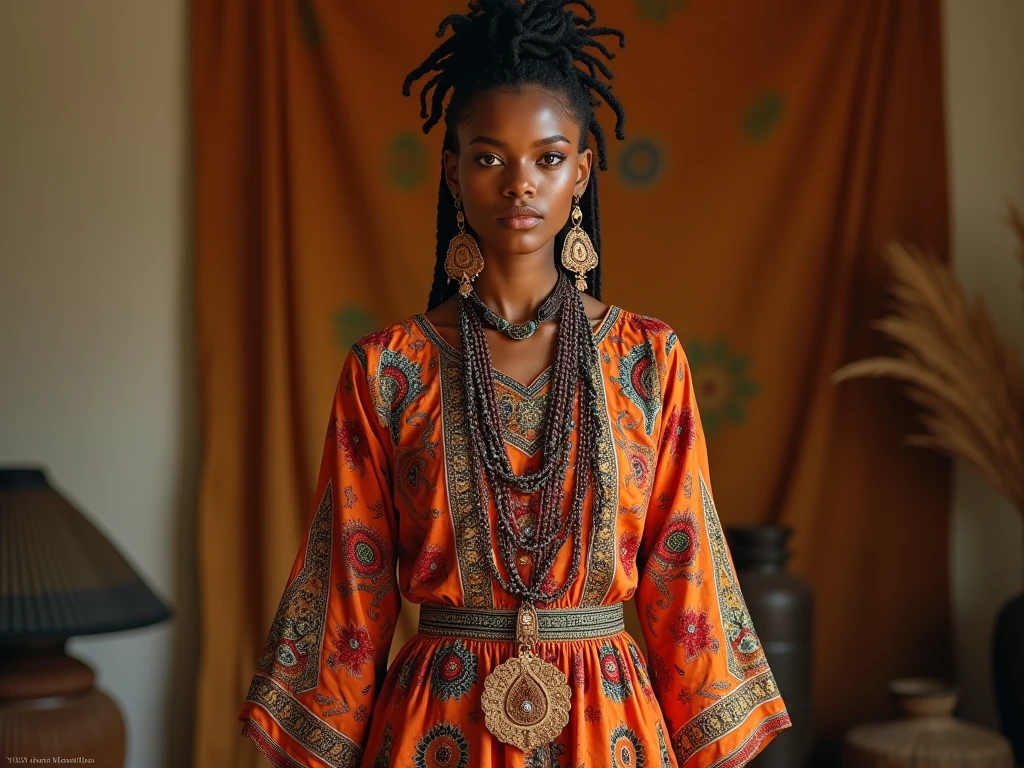
The Connection Between Tradition and Fashion Design
Fashion design has always been deeply connected to cultural heritage. Designers around the world frequently study traditional clothing systems to understand fabric behavior, color symbolism, stitching techniques, and garment construction. These elements provide valuable knowledge that is then adapted into modern collections designed for global audiences.
Traditional fashion systems often rely on natural materials such as cotton, wool, silk, and linen. These materials are breathable, durable, and suited to specific climates and lifestyles. They are often combined with handwoven textures, symbolic patterns, and functional shapes that reflect the daily life of a community.
These traditional designs carry emotional and historical depth. They represent identity, heritage, and creativity developed over centuries. Modern fashion, on the other hand, focuses more on innovation, global trends, and commercial appeal. When traditional and modern ideas merge, they create hybrid designs that are both meaningful and visually appealing, offering a balance between history and modern lifestyle.
Evolution of Traditional Concepts in Modern Fashion
Over time, many traditional fashion elements have been transformed into modern interpretations. Designers take inspiration from heritage clothing and reshape it into contemporary outfits that can be worn in modern environments while still maintaining cultural essence.
The process usually begins with research. Designers study traditional garments, understand their cultural meaning, and examine how they were originally constructed. After this stage, they reinterpret these designs into simplified or stylized versions. Fabrics may change to suit modern production, patterns may be updated for aesthetic appeal, and silhouettes may be adjusted for comfort and fashion trends.
Eventually, these redesigned elements enter global fashion markets. They appear in runway shows, streetwear collections, luxury brands, and everyday clothing. This transformation shows how tradition continues to live through modern creativity, evolving rather than disappearing.
Fabric and Material Influence
Fabric is one of the most important elements in both traditional and modern fashion design. Traditional fabrics are usually locally sourced and made using manual or semi-manual processes. These fabrics are breathable, strong, and designed according to environmental needs.
Traditional textile production often includes natural dyeing methods, hand weaving, and organic material usage. These techniques create fabrics that are unique in texture and deeply connected to cultural identity. Each fabric tells a story of craftsmanship and tradition.
In modern fashion, these traditional ideas are often recreated using advanced technology. Machine weaving, synthetic fibers, and digital printing allow designers to produce large-scale collections while still maintaining traditional visual elements. This combination ensures that cultural beauty is preserved while meeting modern demands for efficiency and accessibility.
Cultural Identity and Fashion Trends
Fashion is strongly linked to identity, and cultural heritage plays a major role in shaping it. Designers often draw inspiration from traditional clothing systems to create collections that represent authenticity, diversity, and creativity.
Cultural identity in fashion helps preserve historical traditions while also promoting global cultural awareness. It allows local artisans and traditional craftsmen to gain recognition in international markets. Through fashion, cultural communication becomes a visual and creative experience that connects people across borders.
In this context, Tumbons can be seen as a symbolic representation of traditional influence that evolves into modern creative expression. It reflects how cultural identity continues to shape design thinking in the modern world.
Modern Interpretation of Traditional Ideas
Modern fashion designers constantly experiment with traditional inspiration. They combine old and new styles to create innovative designs that appeal to global audiences. These interpretations include minimalist traditional wear, fusion outfits, streetwear influenced by ethnic patterns, and luxury fashion inspired by embroidery and handcrafted details.
Sustainable fashion is also becoming an important trend. Designers are returning to traditional methods such as natural dyeing, hand weaving, and slow production techniques. This shift shows that traditional ideas are not outdated but highly relevant to modern environmental and ethical concerns.
Through these reinterpretations, traditional fashion elements continue to evolve and remain influential in shaping modern aesthetics.
Globalization and Fashion Evolution
Globalization has made fashion more interconnected than ever before. Designers now have access to cultural inspirations from all over the world. This has led to increased blending of styles and greater appreciation of traditional craftsmanship across cultures.
However, globalization also brings challenges. One of the main challenges is maintaining originality while respecting cultural authenticity. Designers must be careful not to misuse or misrepresent cultural elements. Responsible design ensures that cultural inspiration is used respectfully and meaningfully.
Despite these challenges, globalization has played a positive role in spreading awareness of traditional fashion systems and encouraging cultural exchange.
Sustainability and Traditional Practices
Traditional fashion systems are naturally sustainable. They rely on organic materials, local production, and minimal waste techniques. These practices were developed long before modern environmental concerns, but align closely with today’s sustainability goals.
Sustainable fashion emphasizes durability, eco-friendly materials, and ethical production methods. Traditional practices serve as a valuable model for this movement because they demonstrate how fashion can exist in harmony with nature.
By revisiting traditional systems, modern designers are finding solutions to environmental challenges while maintaining cultural integrity.
Role of Designers in Cultural Fashion
Fashion designers play an important role as cultural interpreters. They study traditional clothing systems, understand their meaning, and transform them into modern wearable art.
Their work ensures that cultural heritage is not lost but reimagined in new and creative ways. Designers act as a bridge between past and present, allowing tradition to remain relevant in a fast-changing world.
This responsibility requires creativity, respect, and awareness of cultural significance.
Digital Influence on Fashion
The digital era has completely changed how fashion is shared, consumed, and understood. Social media platforms, online stores, and digital design tools have made fashion more global and accessible.
Traditional fashion concepts now reach wider audiences through blogs, videos, virtual shows, and online communities. This digital exposure helps preserve cultural ideas while also encouraging innovation and reinterpretation.
Digital technology has also allowed designers to experiment with virtual fashion, creating new possibilities for cultural expression.
Conclusion
Tumbons, when viewed as part of traditional cultural influence, represent the ongoing connection between heritage, identity, and modern fashion design. Fashion is a constantly evolving field that reflects creativity, culture, and human expression in every era.
Traditional systems provide the foundation for modern innovation, while modern design gives these traditions new life, relevance, and global visibility. This continuous interaction ensures that culture remains alive through fashion, evolving with time while preserving its roots.
As fashion continues to grow in the digital and global age, the balance between tradition and innovation becomes even more important. Concepts like Tumbons remind us that fashion is not only about appearance but also about meaning, history, and cultural storytelling that connects generations across time.
FAQs
What are Tumbons in traditional culture?
Tumbons are often described in cultural discussions as elements linked with traditional lifestyle, textiles, and design aesthetics that reflect regional identity and heritage.
How are Tumbons connected to fashion design?
They are associated with traditional influences that inspire modern fashion designers to create clothing based on cultural patterns, fabrics, and historical styles.
Why are traditional elements important in modern fashion?
Traditional elements add cultural depth, identity, and storytelling to modern fashion, helping designers create unique and meaningful designs.
How has modern fashion changed traditional designs?
Modern fashion adapts traditional designs by changing fabrics, simplifying patterns, and updating styles to match current trends while keeping cultural inspiration alive.
What role does sustainability play in traditional fashion influence?
Traditional fashion often uses natural materials and handmade techniques, which support sustainability and inspire eco-friendly practices in modern fashion design.