
The world of technology is changing faster than most people can even keep up with. Every few years, a new concept appears that tries to reshape how we think about digital systems, online platforms, and innovation. In the middle of all this change, a term like Lufanest has started getting attention because it represents something broader than just a tool or platform. It feels like a shift in how digital environments are imagined and built.
Lufanest is not something you can easily put into a single box. Some people describe it as a concept, others treat it like a framework, and a few even see it as a future direction of digital ecosystems. What makes it interesting is not just the name itself, but the idea behind it, which connects technology, adaptability, and intelligent systems in a very modern way.
What is Lufanest and why does it matter
When people first hear the word Lufanest, it often sounds unfamiliar, almost like a brand or a futuristic system. In reality, it is best understood as a digital concept that represents how modern technology is evolving toward more connected, adaptive, and intelligent environments. Instead of separate tools working independently, Lufanest represents the idea of systems that communicate and grow together.
The reason Lufanest matters is that today’s digital world is no longer simple. We are surrounded by apps, platforms, AI tools, cloud systems, and automation everywhere. Managing all of these separately creates complexity. Lufanest tries to represent a future where these systems are more unified, more responsive, and more aware of user needs without constant manual control.
At its core, Lufanest is about reducing digital friction. It reflects a shift where technology becomes less about “using tools” and more about “experiencing intelligent environments.” This matters for businesses, developers, and everyday users because it changes how digital experiences are designed and delivered.
Another important reason Lufanest stands out is that it connects deeply with the idea of evolution in technology. Instead of static systems that stay the same, it supports the idea of platforms that continuously improve and adapt based on data, behavior, and interaction patterns. This makes it relevant in a world where users expect instant responses and personalized experiences.
How Lufanest is changing digital ecosystems
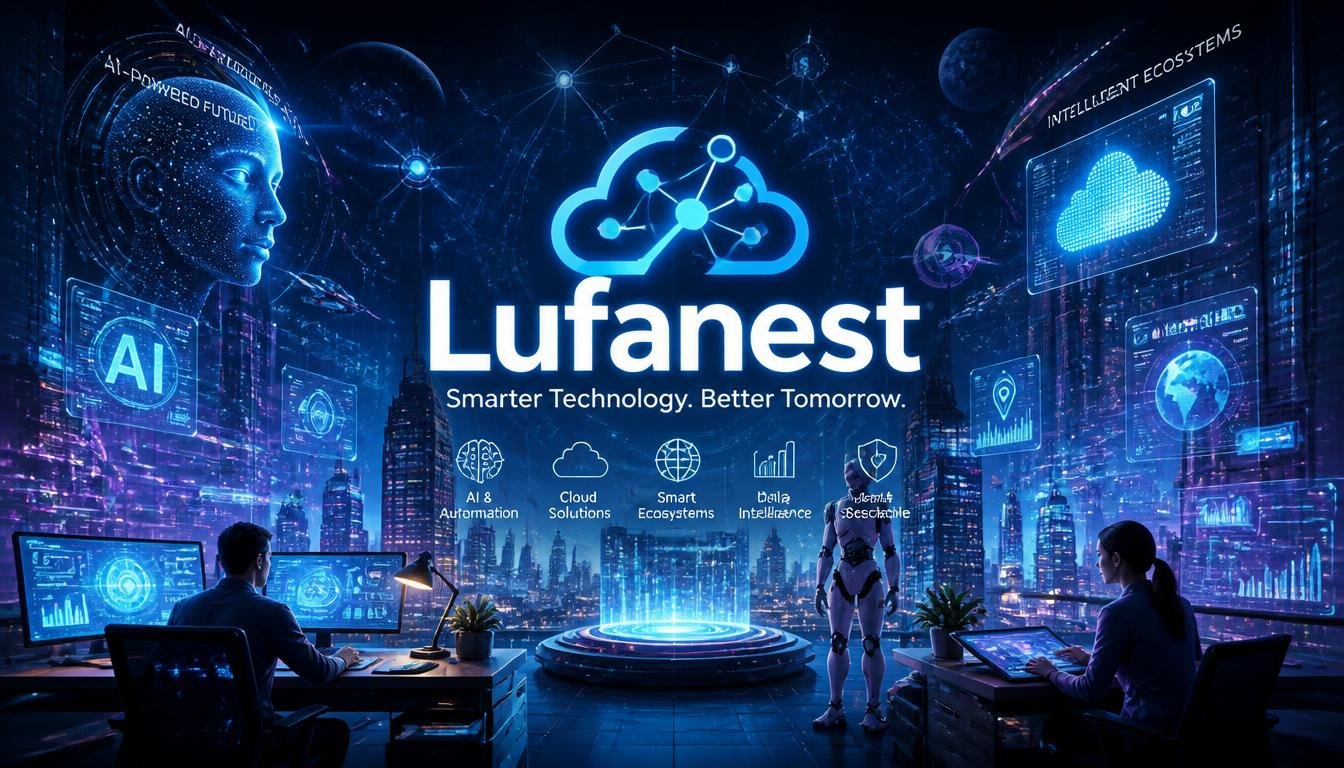
The idea of digital ecosystems has been around for a while, but Lufanest brings a more dynamic perspective to it. Instead of ecosystems being just connected services, it introduces the idea that these systems should feel alive, flexible, and constantly evolving. This is where the real transformation begins.
In traditional digital setups, systems often operate in isolation. A website does its job, an app performs its function, and data is stored separately. But with concepts like Lufanest, the expectation shifts toward integration at a deeper level. It is not just about connecting systems; it is about making them understand each other and respond intelligently.
This change becomes especially important when you think about user experience. People today don’t want to wait, switch platforms, or repeat actions. They expect smooth transitions. Lufanest reflects this expectation by imagining a digital world where systems adapt instantly and provide seamless flow between different services.
Another way Lufanest is influencing digital ecosystems is through automation and intelligent decision-making. Instead of humans managing every small detail, systems inspired by this concept aim to handle routine decisions on their own. This does not remove human control, but it reduces unnecessary effort and allows users to focus on more meaningful tasks.
What makes this shift powerful is that it changes the relationship between humans and technology. Instead of users constantly adjusting to systems, the systems start adjusting to users. That reversal is one of the key ideas behind why Lufanest is being discussed as part of the next phase of digital evolution.
The technology behind Lufanest
Even though Lufanest is more of a concept than a single technology, it is closely tied to several modern technological trends. These include artificial intelligence, cloud computing, adaptive algorithms, and data-driven systems. Together, these technologies form the foundation of what Lufanest represents.
Artificial intelligence plays a major role in this idea. AI allows systems to learn from behavior, recognize patterns, and make decisions without constant human input. In the context of Lufanest, AI acts like the “brain” that helps digital environments become more responsive and intelligent over time.
Cloud computing is another important layer. Since Lufanest focuses on connected ecosystems, cloud systems provide the flexibility and scalability needed to support continuous interaction between services. Without cloud infrastructure, such adaptive ecosystems would struggle to function smoothly at scale.
Another key element is real-time data processing. Modern digital systems generate huge amounts of data every second. Lufanest-like environments rely on this data to adjust and improve performance instantly. This means decisions are no longer based on old or static information but on live inputs that reflect current conditions.
There is also an important role played by automation frameworks. These systems help reduce manual work by handling repetitive tasks automatically. In a Lufanest-inspired environment, automation is not just about saving time but about creating smarter workflows that evolve with usage patterns.
When all of these technologies come together, they create a digital environment that feels less like a machine and more like a responsive system. That is the core technological vision behind Lufanest.
Real-world applications of Lufanest
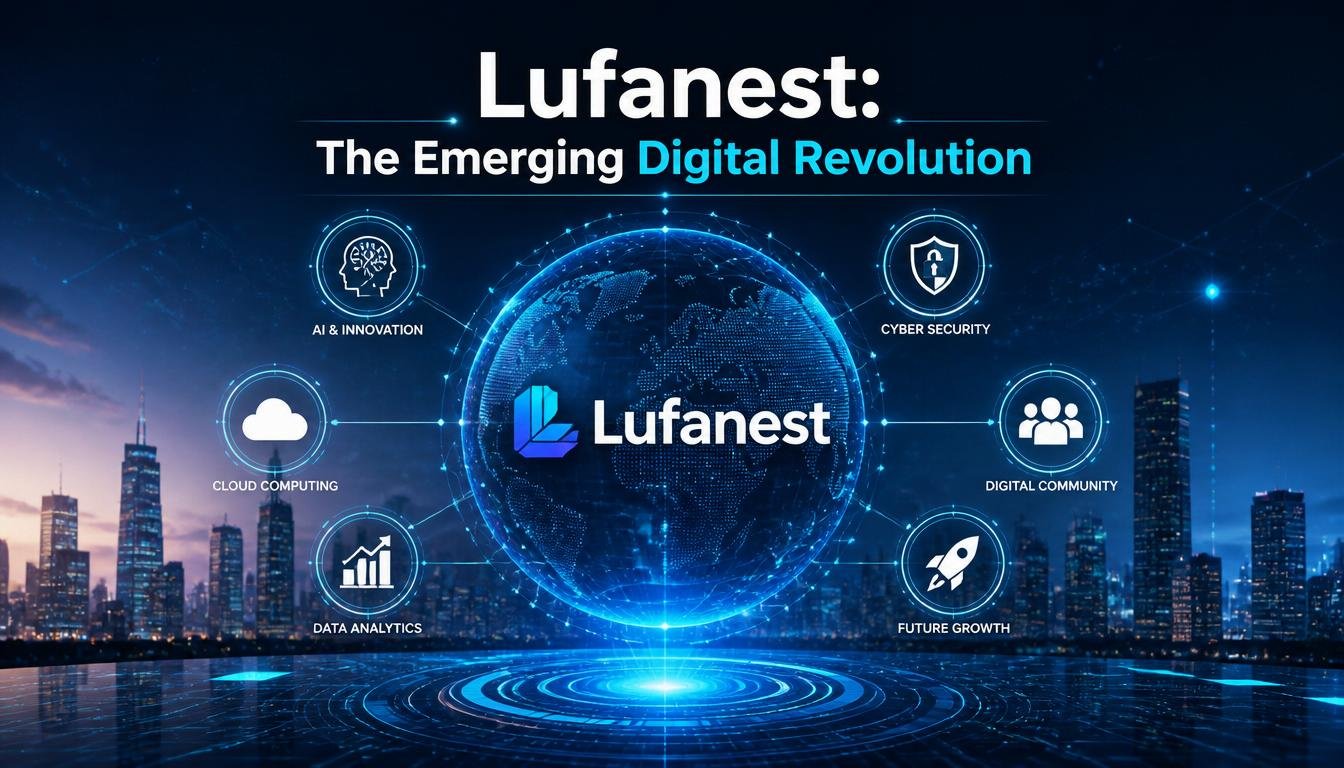
Even though Lufanest is a conceptual idea, it can be seen reflected in many real-world applications today. One of the clearest examples is in modern digital platforms that personalize user experiences. Streaming services, e-commerce platforms, and social media apps already use systems that adjust content based on user behavior, which is aligned with the Lufanest mindset.
In the business world, companies are increasingly building integrated systems where marketing, sales, and customer support all work together in a unified way. Instead of separate departments working in isolation, data flows between them, creating smarter decision-making processes. This type of integration reflects the ecosystem-based thinking behind Lufanest.
Another area where this concept becomes visible is smart technology. Devices like smart home systems, wearable technology, and connected appliances already operate in ways that adapt to user behavior. They learn routines, adjust settings, and respond to environmental changes, which fits into the idea of an evolving digital environment.
Education and online learning platforms are also moving in a similar direction. Instead of static lessons, many platforms now offer adaptive learning paths where content changes based on student performance. This makes learning more personalized and efficient, which is exactly the type of innovation Lufanest represents.
Even in healthcare, digital systems are becoming more connected and intelligent. Patient data, diagnostic tools, and monitoring systems are increasingly linked together to provide faster and more accurate insights. This level of integration shows how deeply this concept is influencing different industries.
Why startups are interested in Lufanest
Startups are always looking for ideas that give them an advantage in competitive markets, and Lufanest represents exactly that type of opportunity. It is not just about technology, but about how systems are designed, connected, and scaled in modern environments.
For many startups, the biggest challenge is complexity. Managing multiple tools, platforms, and services can slow down growth. The idea of Lufanest offers a way to reduce that complexity by focusing on unified systems that handle multiple functions together. This allows startups to move faster and operate more efficiently.
Another reason startups are drawn to this concept is personalization. Today’s users expect highly customized experiences. Startups that adopt Lufanest-like thinking can build products that automatically adapt to user behavior, preferences, and feedback. This creates stronger engagement and better customer retention.
Scalability is also a major factor. Startups often begin small but aim to grow quickly. Systems inspired by Lufanest are designed to scale smoothly without breaking or becoming inefficient. This makes them attractive for fast-growing businesses that need flexibility.
There is also a strong innovation appeal. Startups want to position themselves as forward-thinking companies. By aligning with modern digital concepts like Lufanest, they can build products that feel advanced, intelligent, and future-ready, which helps in attracting both users and investors.
Benefits and challenges of Lufanest
One of the biggest benefits of Lufanest is improved efficiency. When systems are connected and intelligent, tasks that once required manual effort can be handled automatically. This saves time and reduces operational costs for businesses while improving user experience.
Another benefit is adaptability. In traditional systems, changes often require major updates or restructuring. But in a Lufanest-inspired environment, systems can adjust more smoothly based on data and usage patterns. This makes digital platforms more resilient and future-ready.
User experience also becomes significantly better. When systems understand user behavior, they can provide smoother interactions, faster responses, and more relevant content. This creates a more natural and enjoyable digital experience.
However, there are also challenges. One of the biggest concerns is complexity in development. Building highly connected and adaptive systems requires advanced technology and skilled teams. Not every organization has the resources to implement such systems effectively.
Another challenge is data management. Since Lufanest relies heavily on data, ensuring privacy, security, and ethical use of information becomes extremely important. Without proper safeguards, such systems can create risks related to misuse or over-dependence on automation.
Despite these challenges, the direction is clear. The benefits often outweigh the difficulties, especially as technology continues to improve.
Future of Lufanest
Another major direction connected to Lufanest is the growing integration between physical and digital environments. Smart devices are becoming more common in homes, offices, healthcare, and transportation. Because of this, the line between online experiences and real-world interactions is slowly disappearing. Devices are now able to communicate with each other, share information instantly, and respond intelligently to changing conditions. Lufanest represents this blended future where technology becomes deeply connected with daily life.
At the same time, personalization is expected to become much more advanced than it is today. Instead of showing generic recommendations or static experiences, future systems may understand user needs in real time and adapt instantly. This could completely transform how people interact with apps, websites, and digital services. Overall, the future of Lufanest is closely connected with the future of intelligent technology, where systems become smarter, more connected, and more adaptive with every interaction.
Conclusion
Lufanest represents more than just a trend or a technical idea. It reflects a broader shift in how digital systems are being designed, where intelligence, adaptability, and integration play a central role. As technology continues to evolve, this concept will likely become even more relevant in shaping how people interact with digital environments and modern ecosystems.