
Modern businesses are moving faster than ever before. Teams now work remotely, projects change quickly, and companies need smarter ways to organize daily tasks. In this fast-moving environment, workflow management systems have become one of the most important tools for improving productivity and reducing confusion. This is where Keibann is getting attention from startups, digital teams, and online businesses looking for better ways to manage work without making things complicated.
Keibann is becoming a popular term in the productivity and workflow space because it combines simplicity with smart task organization. Instead of relying on endless spreadsheets, long email threads, or confusing project tracking methods, Keibann focuses on visual workflows that help individuals and teams stay organized. Whether you are managing a startup, running an online business, working as a freelancer, or leading a remote team, understanding how Keibann works can completely change the way you handle projects and daily operations.
What Is Keibann?
Keibann is a modern workflow management concept designed to help people organize, track, and complete tasks in a smarter way. The system focuses heavily on visual organization, allowing users to see the progress of tasks clearly from start to finish. Unlike traditional project management systems that often feel heavy and difficult to use, Keibann keeps everything simple and easy to understand.
The main idea behind Keibann is that work becomes easier when tasks are visible. Instead of storing projects inside complicated folders or scattered communication platforms, tasks are displayed in an organized structure where teams can instantly understand what needs attention. This visual approach helps reduce stress, improve communication, and create smoother collaboration between team members.
Many startups and digital companies are adopting workflow systems similar to Keibann because modern businesses depend on speed and flexibility. Teams no longer want systems that slow them down with unnecessary features. They need tools that save time, reduce confusion, and help employees focus on important work. Keibann supports this need by offering a cleaner and more practical way to manage workflows.
Why Keibann Is Becoming Popular
One major reason why Keibann is becoming popular is that work environments have changed dramatically over the last few years. Remote work, online collaboration, and digital communication have created new challenges for businesses. Many teams struggle with missed deadlines, poor communication, and unorganized workflows. Keibann helps solve these problems by creating a centralized workflow system where everyone stays updated.
Another reason for its growing popularity is simplicity. People are tired of using software that takes weeks to understand. Keibann focuses on user-friendly workflow structures that anyone can learn quickly. Even small businesses without technical knowledge can use this system effectively. This makes it highly attractive for startups and growing companies that need practical solutions without spending huge amounts of money on training.
The modern workforce also values transparency. Employees want to know what tasks are pending, what projects are moving forward, and where bottlenecks exist. Keibann creates visibility across teams, helping managers and employees stay aligned. When everyone can see the workflow clearly, communication becomes smoother, and productivity naturally improves.
How Keibann Works
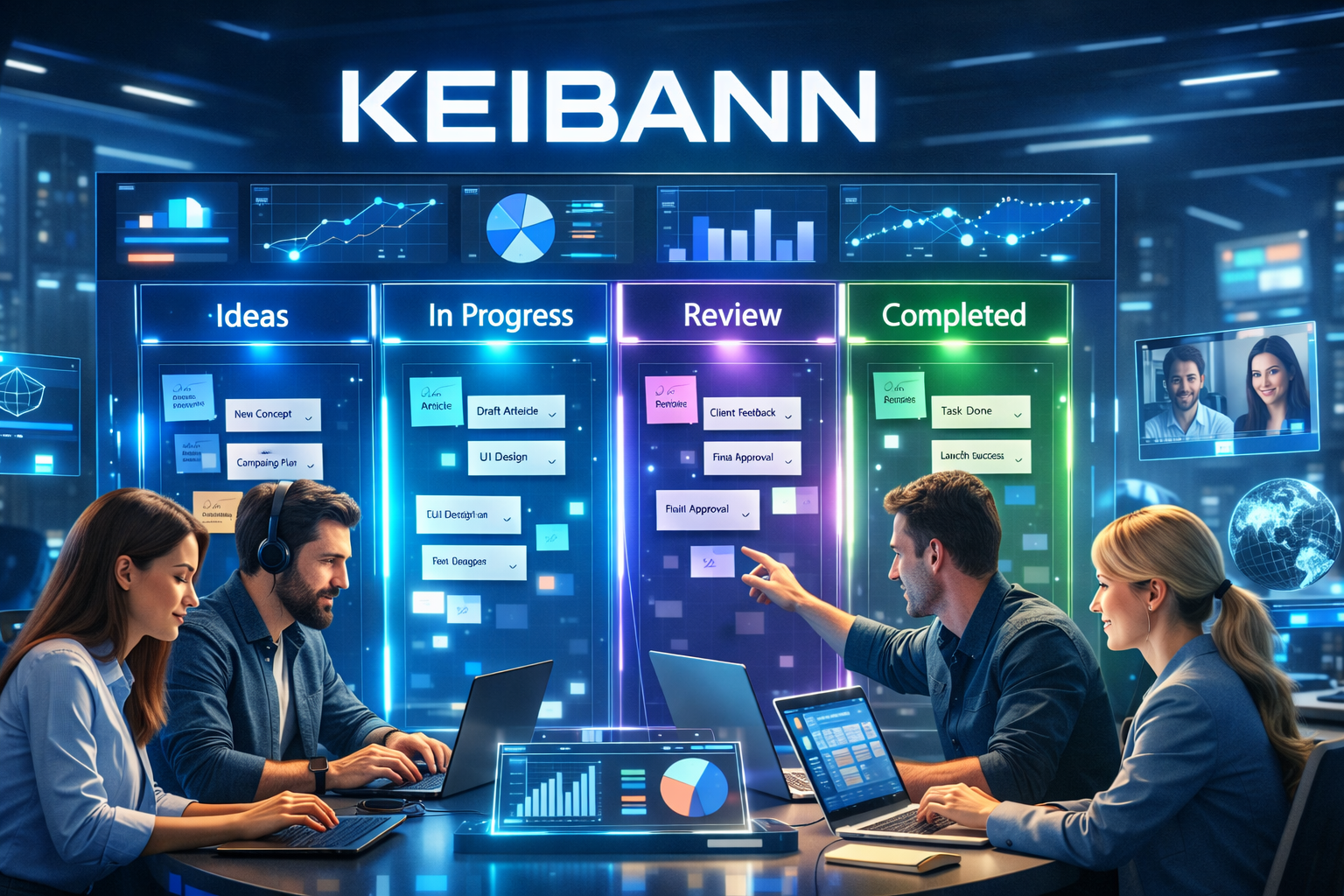
At its core, Keibann works through visual workflow boards that organize tasks into different stages. Tasks usually move from one stage to another depending on their progress. For example, a content writing team may organize work under categories such as “Ideas,” “In Progress,” “Editing,” and “Published.” This simple structure allows everyone to understand the status of work instantly.
The system also encourages continuous workflow management instead of chaotic multitasking. Instead of jumping between random assignments, teams can focus on completing tasks step by step. This improves efficiency because employees spend less time figuring out priorities and more time actually doing meaningful work.
Keibann also supports collaboration by allowing teams to communicate directly within workflow systems. Instead of searching through emails or chat applications, conversations remain connected to specific tasks. This creates better organization and prevents important information from getting lost. For remote teams, especially, this feature becomes extremely valuable because communication stays centralized and easier to manage.
The Main Benefits of Keibann
One of the biggest benefits of Keibann is improved productivity. When tasks are organized visually, employees waste less time trying to understand priorities. Teams can quickly identify pending work, urgent projects, and completed tasks without confusion. This clear structure helps businesses operate more smoothly.
Another major advantage is reduced stress. Many employees feel overwhelmed when managing multiple projects at once. Keibann simplifies workflows by breaking projects into manageable stages. This makes work feel more achievable and less chaotic. A cleaner workflow system can also improve employee motivation because progress becomes easier to track.
Keibann also improves teamwork and accountability. Since tasks are visible to everyone, team members become more responsible for completing their assignments on time. Managers can monitor workflow progress without constantly asking for updates, while employees can collaborate more effectively because information remains organized in one place.
Keibann for Startups and Small Businesses
Startups often operate with limited resources, small teams, and tight deadlines. Because of this, efficiency becomes extremely important. Keibann works well for startups because it offers a simple workflow structure without unnecessary complexity. Small teams can manage projects faster while keeping communication organized.
For example, a startup launching a new mobile application can use Keibann to track design tasks, development progress, marketing campaigns, and testing phases. Every department can see the project’s current stage, reducing delays and improving coordination between teams.
Small business owners also benefit because they often handle multiple responsibilities simultaneously. Instead of relying on memory or scattered notes, Keibann creates a centralized workflow system where all tasks remain visible. This helps business owners stay organized while scaling their operations more efficiently.
Keibann in Remote Work Environments
Remote work has changed how businesses operate. Teams are no longer sitting together in the same office, which makes communication and workflow management more difficult. Keibann helps solve these challenges by creating a digital workspace where everyone can track progress regardless of location.
Remote employees often struggle with disconnected communication. Messages get buried inside chat applications, and project updates become difficult to follow. Keibann keeps workflows organized by attaching communication directly to tasks. This makes collaboration easier because everyone can access relevant updates in one place.
Another important advantage for remote teams is transparency. Managers can monitor workflow progress without micromanaging employees. Instead of asking for constant updates, they can simply review workflow boards to understand project status. This creates more trust between managers and employees while improving overall efficiency.
The Difference Between Keibann and Traditional Workflow Systems
Traditional workflow systems often rely on lengthy spreadsheets, complex software, or manual tracking methods. These systems may work for some organizations, but they often become difficult to manage as teams grow. Keibann focuses on simplicity and visibility instead of overwhelming users with complicated processes.
Traditional systems also tend to separate communication from workflow tracking. Employees may use one platform for project management and another for communication. This creates confusion because information becomes scattered across multiple tools. Keibann keeps workflows and collaboration connected in one organized environment.
Another major difference is adaptability. Modern businesses need flexible systems that can adjust quickly to changing priorities. Keibann allows teams to reorganize tasks easily without disrupting the entire workflow. This flexibility makes it especially useful for startups, creative agencies, and technology companies where projects evolve rapidly.
How Keibann Improves Team Collaboration
Strong collaboration is essential for successful businesses, especially in digital industries where projects involve multiple departments. Keibann improves collaboration by giving teams a shared visual understanding of workflows. Everyone can see task progress, deadlines, and responsibilities clearly.
This shared visibility reduces misunderstandings between departments. For example, a marketing team waiting for design approval can instantly check workflow status instead of sending multiple messages asking for updates. This saves time and creates smoother communication between teams.
Keibann also encourages accountability because responsibilities remain visible. Employees know exactly what tasks belong to them and what deadlines need attention. This transparency helps teams stay focused and improves overall project completion rates.
Real-World Example of Keibann in Action
Imagine a digital marketing agency managing several client campaigns at the same time. Without a structured workflow system, the agency may struggle with missed deadlines, communication problems, and disorganized projects. Keibann can completely change this process.
The agency can create workflow stages such as “Planning,” “Content Creation,” “Client Review,” “Editing,” and “Published.” Writers, designers, editors, and managers can all track project progress visually. Instead of asking for updates repeatedly, everyone can simply view the workflow board.
This organized approach improves productivity because employees spend less time searching for information. It also improves client satisfaction because projects move through workflows more efficiently. Agencies using structured workflow systems often deliver better results because their internal operations remain organized and transparent.
Common Challenges Businesses Face Without Keibann
Businesses without proper workflow systems often experience communication breakdowns. Tasks may get forgotten, deadlines missed, and responsibilities unclear. This creates frustration among employees and reduces overall productivity.
Another common issue is information overload. Many companies rely heavily on email communication, which can quickly become chaotic. Important updates get buried under hundreds of messages, making project tracking difficult. Keibann solves this problem by centralizing workflows and communication in one organized space.
Lack of transparency is another major challenge. Employees may not know which tasks are urgent or which projects require immediate attention. Managers may struggle to monitor progress effectively. Keibann creates visibility across workflows, helping businesses operate more smoothly and efficiently.
The Future of Workflow Management
Workflow management is evolving rapidly as businesses continue adopting digital operations. Companies are now prioritizing speed, flexibility, and collaboration more than ever before. Systems like Keibann are becoming increasingly valuable because they align with the needs of modern work environments.
Artificial intelligence and automation are also influencing workflow management. Future workflow systems may automatically prioritize tasks, identify bottlenecks, and recommend productivity improvements. Keibann-style systems are likely to integrate these technologies while maintaining simple and user-friendly interfaces.
Another important trend is mobile workflow management. Employees increasingly work from smartphones and tablets, meaning workflow systems must remain accessible across devices. Keibann supports modern digital work culture by focusing on accessibility, simplicity, and efficient collaboration.
Why Simplicity Matters in Workflow Systems
Many businesses make the mistake of choosing overly complicated workflow software filled with unnecessary features. While advanced systems may look impressive, they often reduce productivity because employees struggle to use them effectively. Simplicity matters because teams work better when systems feel natural and intuitive.
Keibann focuses on reducing unnecessary complexity. Employees can quickly understand workflows without spending weeks learning technical systems. This simplicity improves adoption rates because people are more likely to use tools that feel easy and practical.
Simple workflow systems also reduce mental fatigue. Employees already manage enough stress from deadlines and responsibilities. A complicated workflow system only adds more frustration. Keibann helps teams focus on meaningful work instead of wasting energy navigating confusing software.
How Freelancers Can Use Keibann
Freelancers often manage multiple clients, deadlines, and projects simultaneously. Without proper organization, work can quickly become overwhelming. Keibann helps freelancers organize tasks visually, making it easier to track progress and manage priorities.
For example, a freelance graphic designer can create workflow stages for client inquiries, ongoing designs, revisions, and completed projects. This structure keeps work organized while reducing the risk of missed deadlines.
Freelancers also benefit because workflow visibility improves time management. Instead of juggling tasks mentally, they can clearly see workload distribution and upcoming responsibilities. This leads to better productivity and more professional client management.
Is Keibann Suitable for Large Companies?
Although Keibann is highly popular among startups and small businesses, large companies can also benefit from its workflow structure. Large organizations often struggle with communication gaps between departments. Visual workflow systems help reduce these gaps by improving transparency and collaboration.
Departments such as marketing, development, customer support, and operations can all use workflow boards to manage tasks more efficiently. Managers gain better visibility into project progress while employees experience clearer communication and organization.
Large companies also appreciate scalability. Keibann-style systems can grow alongside business operations without becoming overly difficult to manage. This flexibility makes workflow management more sustainable as organizations expand.
Conclusion
Keibann is more than just another productivity trend. It represents a smarter and more practical way to manage workflows in modern business environments. By focusing on visual organization, simplicity, and collaboration, Keibann helps teams reduce confusion, improve productivity, and complete projects more efficiently. Whether you are running a startup, managing a remote team, freelancing, or scaling a large company, adopting a workflow system like Keibann can create a more organized and productive work environment for long-term success.
FAQs
What is Keibann used for?
Keibann is used for workflow management, task organization, and improving team productivity. It helps businesses and individuals track projects visually and manage work more efficiently.
Is Keibann suitable for small businesses?
Yes, Keibann is highly suitable for small businesses because it keeps workflows simple, organized, and easy to manage without requiring complicated systems or large teams.
How does Keibann improve productivity?
Keibann improves productivity by making tasks visible, reducing confusion, improving communication, and helping teams focus on completing work step by step.
Can remote teams use Keibann effectively?
Remote teams can use Keibann very effectively because it centralizes communication and task tracking in one place, making collaboration easier from different locations.
Is Keibann better than traditional workflow systems?
Many users prefer Keibann because it is simpler, more flexible, and easier to understand compared to traditional workflow systems that often feel complex and difficult to manage.