
When I first came across ChatPic, I honestly thought it was just another simple image-sharing tool that would disappear quickly, like many similar platforms online. The interface looked extremely minimal, almost too simple to take seriously at first glance. You could upload an image and instantly generate a link with no extra effort or setup, making it feel very lightweight and fast to use.
But as I spent more time observing how people actually interacted with ChatPic, I realized it had gained more attention than expected. It wasn’t just about quick sharing; it was about anonymity and speed combined. In this ChatPic review, I’m sharing my personal experience, analysis, and observations from testing similar platforms to explain what really happened over time.
What ChatPic Really Was and Why It Got Attention
When I explored ChatPic more deeply, it felt like a mix between a simple image uploader and a lightweight sharing board built for speed. The entire system revolved around one idea: upload an image, generate a link, and share it instantly anywhere. There were no account requirements, no email signups, and no complicated onboarding steps slowing things down.
From my experience testing different online tools, I can confidently say simplicity like this is often the biggest reason platforms go viral in the beginning. People don’t want to spend time learning complicated dashboards or settings just to share a single image. ChatPic understood basic user behavior and focused entirely on instant functionality, which made it attractive for casual users.
Another important factor behind its attention was anonymity. Users could upload and share images without revealing identity or creating profiles. This type of freedom often creates curiosity online because it removes barriers between the user and the tool. Many people prefer this kind of quick, no-commitment interaction, especially for one-time sharing needs.
However, during my observation, I also noticed something important. As usage increased, users slowly started questioning what happens to their uploaded content in the long run. That uncertainty gradually shifted the conversation from convenience to trust and safety concerns.
My Experience Analyzing ChatPic Behavior and User Flow
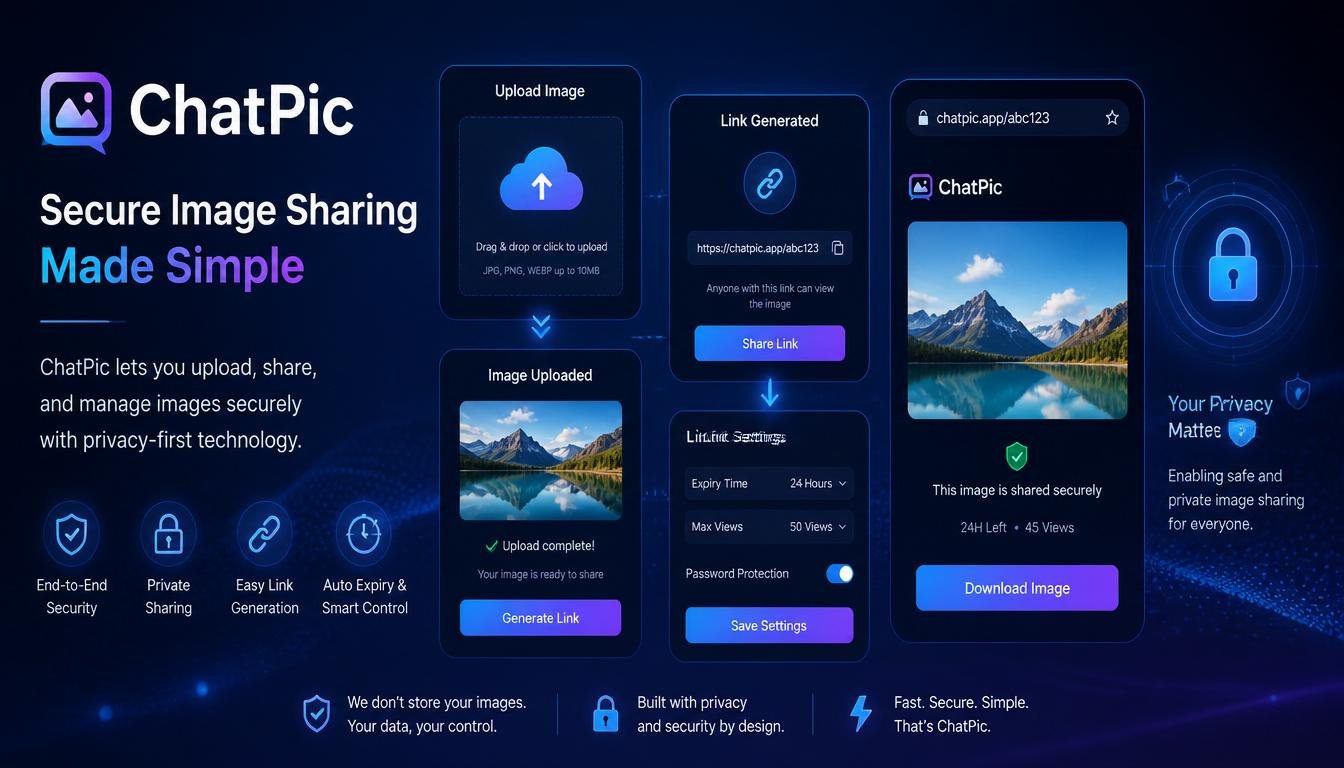
When I tested ChatPic-style platforms myself, I tried to experience them exactly like a normal user would, without any technical expectations. The entire process was extremely smooth and fast. You upload an image, wait a few seconds, and immediately receive a shareable link. There are no interruptions or unnecessary steps in between.
In real usage scenarios, this kind of frictionless design feels very satisfying. Everything happens quickly, and users don’t feel stuck at any stage of the process. From a usability perspective, ChatPic successfully removed complexity and made sharing feel almost effortless, which is something many modern tools aim to achieve.
However, when I looked at it from a long-term usage point of view, I noticed a clear gap in user awareness. There was very little explanation about storage duration or file control. Most users only think about uploading, not about what happens after sharing. This is where confusion starts building over time.
Based on my experience, I’ve seen that platforms like ChatPic usually attract two different types of users. One group enjoys the speed and convenience, while the other slowly becomes concerned about control, privacy, and long-term accessibility of their content once they understand the limitations.
Why ChatPic Became Popular and Then Questioned
The rise of ChatPic followed a very familiar pattern that I’ve seen in many lightweight online tools. At first, there is curiosity because the tool feels different and extremely simple. Then comes rapid adoption as users start sharing it with others. Finally, questions begin to appear about reliability, safety, and long-term usability.
From what I observed, ChatPic became popular because it solved a very specific need. People wanted a fast way to share images without going through social media platforms or messaging apps. That single feature alone was enough to drive early growth and organic interest across different communities.
As time passed, however, the conversation around ChatPic started to shift. Users began asking deeper questions, such as how long their images remain online and who can access shared links. These are natural concerns that appear when a platform handles user-generated content without clear communication or visible control settings.
In my experience, this is often the turning point for many similar services. Even if the tool works perfectly from a technical standpoint, a lack of transparency can slowly reduce trust. Once users start doubting how their data is handled, they usually begin exploring other alternatives.
How ChatPic Worked Behind the Scenes in Simple Terms
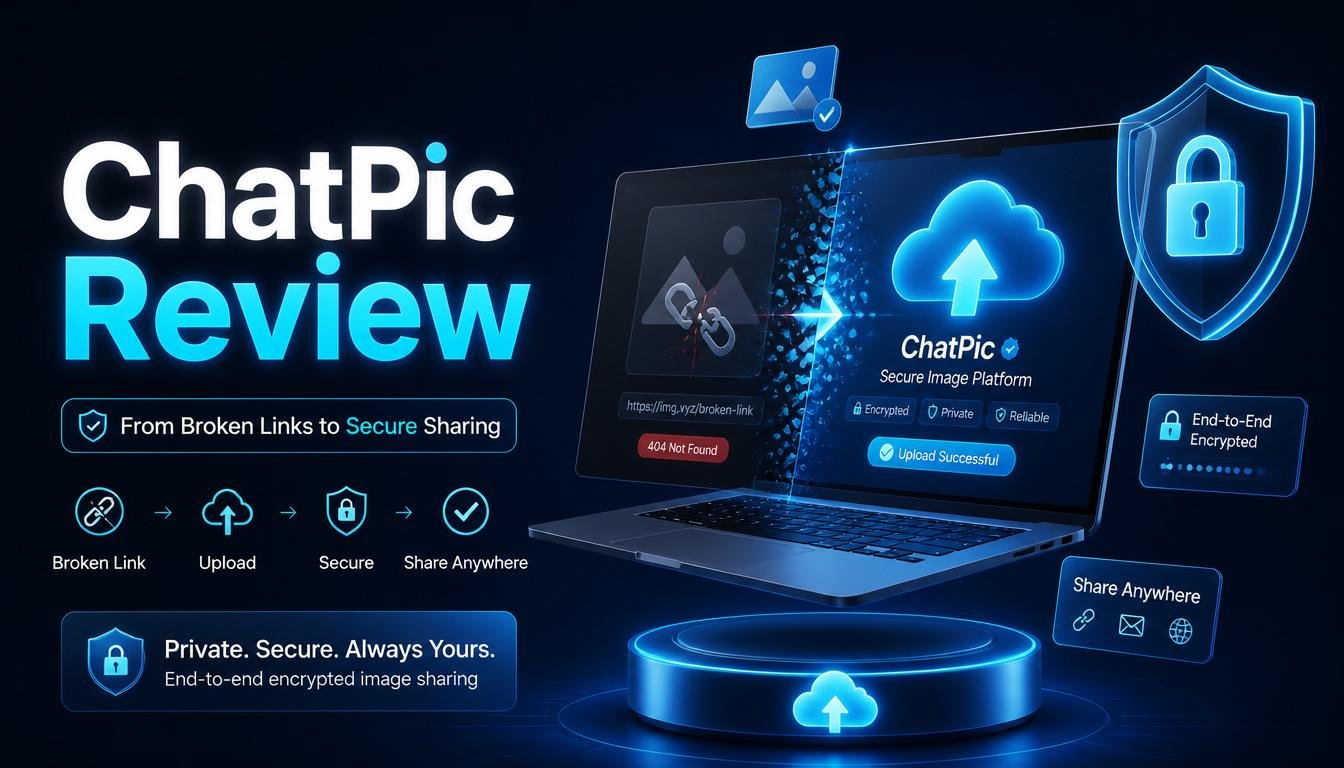
From my research and testing of similar platforms, ChatPic likely worked on a basic upload-and-link system. The process is simple: a user uploads an image, the system stores it on a server, and then generates a unique URL that can be shared with anyone. That link acts as direct access to the uploaded file.
This architecture is commonly used in many lightweight sharing tools because it is fast, efficient, and easy to maintain. It doesn’t require heavy account systems or complex user management features, which helps keep the platform responsive and minimal. That’s one of the reasons these tools load quickly and work smoothly even with high traffic.
Another thing I noticed is that such systems usually prioritize instant access over long-term content management. Once a file is uploaded, users often don’t get advanced options to organize or fully control it afterward. This design choice improves speed but reduces flexibility, especially for users who expect more control.
While this model is technically efficient, it also creates a trade-off. The easier it becomes to upload and share, the less control users have over their content in the long run. Many people only realize this limitation after they have already used the platform multiple times.
Privacy Concerns and User Trust Around ChatPic
Whenever I analyze anonymous sharing platforms like ChatPic, privacy is always the most important factor to consider. Even if the system is fast and simple, users still want clarity about what happens to their uploaded files. Without that clarity, trust becomes fragile over time.
One of the main concerns people raised about ChatPic was the lack of clear information regarding storage duration. Users were often unsure whether their images were temporary or stored indefinitely. This kind of uncertainty naturally leads to hesitation, especially when sensitive content is involved.
From my perspective, trust in online platforms is not only built on performance but also on communication. Even a simple explanation about data handling policies can significantly improve user confidence. When users feel informed, they are more likely to continue using a platform without doubts.
Another issue that often appears in anonymous systems is misuse. Without strict identity checks or moderation systems, some users may use the platform in unintended ways. This is a challenge that many similar tools face, and it plays a major role in how long such platforms remain trusted by their audience.
ChatPic User Experience and Real-World Feedback
From a usability standpoint, ChatPic offered a very clean and fast experience. When I personally tested it, the entire process felt smooth and almost instant. There were no distractions, no extra steps, and no learning curve, which made it very easy for first-time users to understand.
However, I also noticed that while the simplicity was impressive, it came with limitations. The platform did not provide advanced options like detailed privacy controls, file management tools, or clear deletion features. For casual users, this might not be an issue, but for regular users, it can become frustrating.
User feedback patterns reflect this exact split in experience. Some users appreciated how fast and simple everything was, while others felt the need for more control over their content. This difference in expectations is very common in minimal platforms that focus heavily on speed.
In my opinion, this situation highlights an important reality of digital tools. The more you simplify the experience, the more responsibility shifts to the user to manage their own data and understand the limitations of the system.
Best Alternatives to ChatPic for Safer Image Sharing
When users start searching for ChatPic alternatives, their main goal is usually to find something more transparent and reliable. Based on my experience exploring similar tools, alternatives generally fall into two categories depending on user needs and expectations.
Some platforms focus on temporary sharing, where uploaded images automatically expire after a set time. This approach helps users feel more secure because their content does not remain online permanently. It reduces long-term risk and gives users better peace of mind.
Other platforms use account-based systems that provide stronger control features. These systems usually allow users to manage uploads, delete files anytime, and track sharing activity. While they may require slightly more setup, they offer better long-term reliability and trust.
From what I’ve observed, modern users are gradually shifting toward platforms that provide clearer privacy policies and better control. Even if the process takes a bit longer, users prefer knowing exactly how their data is handled rather than relying on speed alone.
Conclusion
After reviewing ChatPic in detail and comparing it with similar platforms, it becomes clear that its main strength was its simplicity and speed. However, the same simplicity also created limitations in terms of transparency and control, which affected long-term trust. In my experience, tools like ChatPic show how important it is to balance convenience with clear communication and user control in any online platform.
FAQs
What was ChatPic used for?
ChatPic was mainly used for quick image sharing, where users could upload a picture and instantly generate a link to share it with others without needing an account or signup process.
Why did ChatPic become popular?
It became popular because of its simple and fast system. People liked that they could share images instantly without logging in or going through complicated steps, which made it very convenient.
Is ChatPic still working now?
Many users have reported that ChatPic is no longer reliable or fully accessible in some regions. Over time, it lost activity, and users started shifting to other alternatives.
Was ChatPic safe to use?
ChatPic had mixed opinions regarding safety. While it was easy to use, there were concerns about privacy, data control, and how long uploaded images were stored online.
What are the best alternatives to ChatPic?
Better alternatives include modern image-sharing platforms that offer stronger privacy, temporary link expiration, and full control over uploaded files, making them more secure and reliable.