
Many people think adenoid problems only affect children, but adults can also experience serious discomfort because of swollen or infected adenoids. Breathing problems, frequent throat infections, snoring, and blocked nasal passages are often connected to adenoidid issues that many adults ignore for months. Since the symptoms can resemble those of allergies, sinus infections, or common colds, people sometimes fail to realize that the real problem may be inflamed adenoids.
As awareness of respiratory health continues to grow, more adults are searching online to understand adenoid symptoms and treatment options. A healthy breathing system plays a huge role in daily comfort, sleep quality, and overall health. When adenoids become enlarged or infected, they can create long-term irritation that affects work performance, energy levels, and even mental focus. Understanding the causes, warning signs, and available treatments can help people manage the condition before it becomes more serious.
What Is Adenoidid and Why Does It Matter
Adenoidid refers to inflammation or problems related to the adenoids, which are small glands located behind the nose and above the throat. These glands are part of the immune system and help trap bacteria and viruses that enter through the nose and mouth. During childhood, adenoids play an important role in fighting infections, but they usually shrink as people grow older.
Even though adenoids become smaller in adulthood, they can still create health problems in some individuals. Infections, allergies, and repeated sinus issues may cause inflammation that leads to swelling and discomfort. Adults with chronic adenoidid problems often experience breathing difficulties, sleep disturbances, and recurring throat irritation without immediately understanding the cause.
The condition matters because it directly affects normal breathing and sleep quality. Many adults spend years treating symptoms like nasal blockage or snoring without identifying the root problem. Once the condition becomes chronic, it can impact concentration, productivity, and even emotional well-being due to poor sleep and constant discomfort.
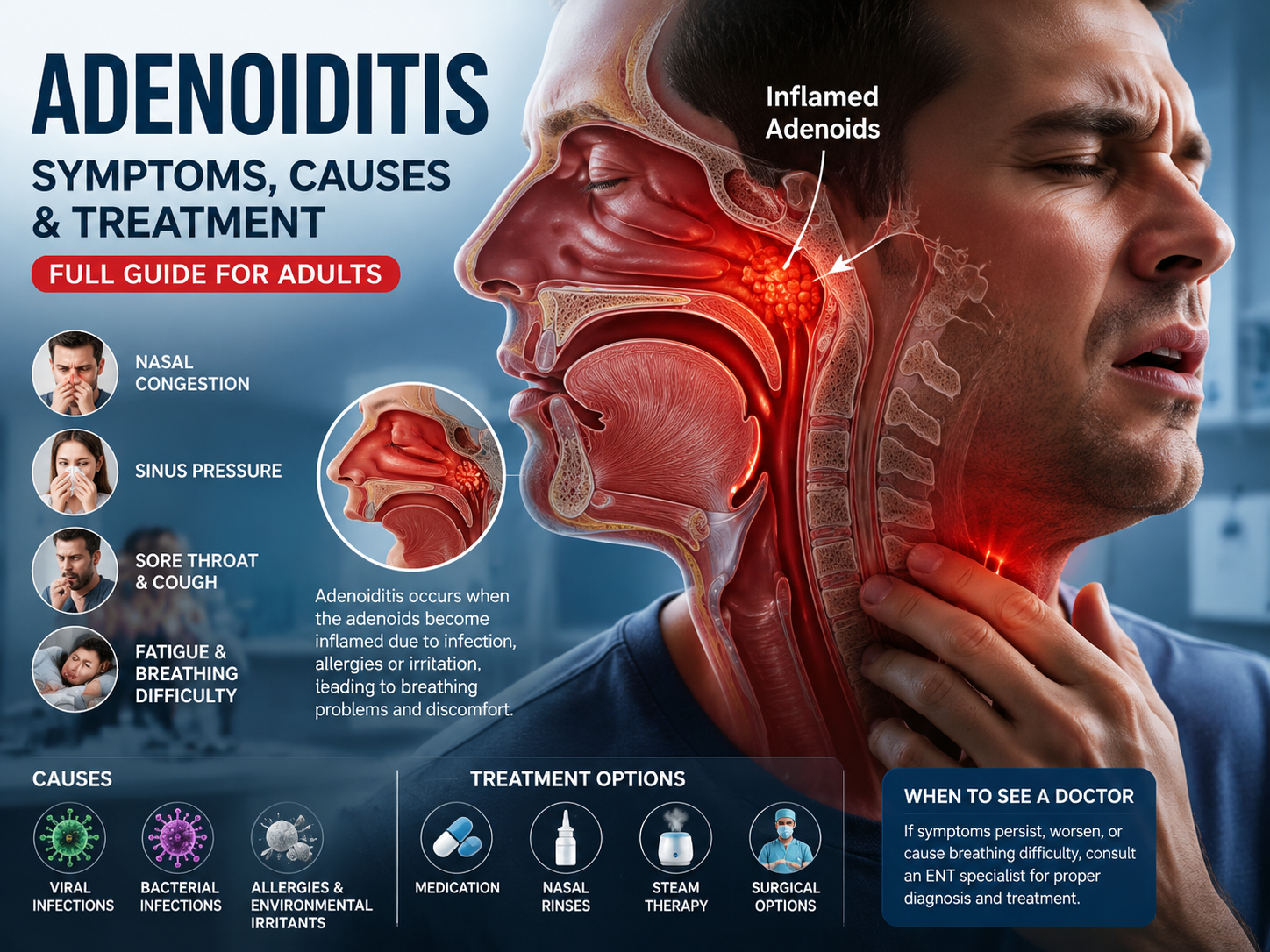
Common Symptoms of Adenoidid in Adults
One of the most noticeable symptoms of adenoidid is persistent nasal blockage. Many adults feel as if their nose remains stuffed even when they do not have a cold. Breathing through the mouth becomes common because airflow through the nose becomes restricted. Over time, this constant mouth breathing may cause dry throat problems and disturbed sleep patterns.
Snoring is another common symptom that many people ignore. Swollen adenoids can partially block airways during sleep, leading to loud snoring or interrupted breathing. Some adults wake up feeling tired even after sleeping for several hours because poor airflow reduces sleep quality. In more serious cases, enlarged adenoids may contribute to sleep apnea symptoms.
Frequent throat infections, ear discomfort, and sinus pressure can also appear alongside adenoidid problems. Since the adenoids are located close to important breathing and hearing pathways, inflammation in that area may affect surrounding tissues. Some adults experience headaches, bad breath, or a constant feeling of mucus dripping down the throat, especially during infections.
Causes Behind Adenoidid Problems
Several factors can contribute to adenoidid inflammation in adults. One of the most common causes is repeated infections. Frequent colds, sinus infections, or throat infections may irritate the adenoids over time, causing them to remain swollen instead of healing completely. Adults who work in crowded environments or frequently experience seasonal illnesses may face higher risks.
Allergies also play a major role in adenoidid problems. Dust, pollen, smoke, and environmental pollution can trigger inflammation inside the nasal passages and throat. When allergic reactions continue for long periods, the adenoids may become enlarged due to constant irritation. People living in highly polluted cities often experience worsening respiratory symptoms linked to chronic inflammation.
Lifestyle habits can contribute as well. Smoking, exposure to secondhand smoke, and poor indoor air quality may irritate the throat and nasal passages continuously. Some adults also develop adenoidid problems because of acid reflux, where stomach acid travels upward and irritates tissues near the throat and nasal area. Long-term inflammation eventually leads to swelling and breathing discomfort.
How Adenoidid Affects Daily Life
Living with adenoidid problems can become frustrating because symptoms often interfere with basic daily activities. Simple tasks like sleeping peacefully, breathing comfortably, or speaking clearly may become difficult during severe inflammation. Many adults notice reduced energy levels because poor sleep caused by breathing obstruction affects physical and mental recovery overnight.
Work performance may also suffer due to constant fatigue and concentration issues. Adults dealing with blocked nasal passages or interrupted sleep often struggle to stay focused during meetings or long work hours. In modern digital lifestyles where people already spend significant time on screens, respiratory discomfort can make mental exhaustion even worse.
Social situations may become uncomfortable as well. Chronic snoring can affect relationships, while mouth breathing and throat irritation may influence speech confidence. Some individuals avoid social gatherings because they constantly feel tired or embarrassed by symptoms like nasal voice changes or loud nighttime breathing patterns.
Difference Between Adenoidid and Regular Sinus Problems
Many adults confuse adenoidid with normal sinus infections because the symptoms appear similar in the beginning. Both conditions may cause nasal blockage, headaches, and breathing difficulties. However, adenoidid usually involves swelling behind the nose near the throat, while sinus infections affect air-filled spaces within the facial bones.
A key difference is that adenoidid often creates long-term breathing issues and sleep-related symptoms. Adults may continue experiencing snoring or mouth breathing even after sinus medication improves temporary congestion. This ongoing airway blockage can signal enlarged adenoids rather than ordinary sinus inflammation.
Doctors sometimes use imaging tests or nasal examinations to distinguish between the two conditions. Since symptoms overlap, proper diagnosis becomes important. Treating sinus infections alone may not fully resolve symptoms if enlarged adenoids remain the actual source of the problem.
Diagnosis and Medical Evaluation
Doctors usually begin diagnosing adenoidid by reviewing symptoms and medical history carefully. Adults experiencing chronic nasal blockage, repeated throat infections, or severe snoring may be referred to an ear, nose, and throat specialist for further evaluation. The doctor may ask questions about sleep quality, allergies, and past respiratory illnesses.
Physical examinations often include checking the throat, ears, and nasal passages for visible inflammation signs. In some cases, doctors use small cameras called endoscopes to examine the adenoids directly. This allows them to see swelling, infection, or airway blockage more clearly without invasive procedures.
Imaging scans such as X-rays or CT scans may also help in certain situations. These tests provide detailed views of the nasal and throat structures, helping doctors understand how severely enlarged adenoids are affecting breathing pathways. Accurate diagnosis ensures that treatment focuses on the actual problem rather than temporary symptom relief alone.
Treatment Options for Adenoidid
Treatment for adenoidid depends on the severity of symptoms and the underlying cause of inflammation. Mild cases may improve with medications designed to reduce swelling and fight infections. Antibiotics are commonly prescribed when bacterial infections are responsible for the symptoms. Anti-inflammatory medicines and nasal sprays may also help reduce irritation.
Allergy management becomes important for adults whose symptoms worsen because of environmental triggers. Doctors may recommend antihistamines or lifestyle adjustments to reduce exposure to allergens like dust and smoke. Maintaining clean indoor air quality can make a noticeable difference for people struggling with chronic nasal irritation.
In severe cases, surgery may become necessary. Adenoid removal surgery, known as adenoidectomy, is sometimes recommended when enlarged adenoids continue causing breathing problems or repeated infections despite medication. Modern surgical techniques are generally safe and recovery times are usually manageable for most adults.
Recovery After Adenoid Treatment
Recovery experiences vary depending on the type of treatment received. Adults treated with medications may notice symptom improvement within days or weeks if inflammation responds properly. Rest, hydration, and avoiding irritants like smoke often help speed up healing during this period.
Surgical recovery may require more patience, especially during the first few days after adenoid removal. Mild throat discomfort, temporary swallowing difficulty, and fatigue are common during healing. Doctors usually recommend soft foods, adequate fluids, and limited physical activity until the throat recovers fully.
Long-term recovery often leads to significant improvements in breathing and sleep quality. Many adults report feeling more energetic after treatment because uninterrupted breathing improves nighttime rest. Reduced infections and clearer airflow can positively impact both physical health and daily productivity.
Can Adenoidid Be Prevented
Although not every case can be prevented completely, healthy habits may reduce the chances of chronic adenoidid problems developing. Maintaining good hygiene and avoiding close contact with infections can lower the risk of repeated respiratory illnesses that trigger inflammation.
Improving indoor air quality is another helpful step. Clean environments with proper ventilation reduce exposure to dust, smoke, and allergens that irritate nasal tissues. Many adults notice fewer respiratory symptoms after using air purifiers or reducing smoking exposure inside homes.
Supporting the immune system through healthy sleep, balanced nutrition, and regular exercise also helps the body fight infections more effectively. Since stress and poor lifestyle habits can weaken immunity, maintaining overall wellness plays an important role in respiratory health management.
The Connection Between Sleep Problems and Adenoidid
Sleep quality is heavily connected to breathing health, and enlarged adenoids can seriously disturb nighttime rest. Adults with adenoidid often experience partial airway blockage that forces them to breathe through the mouth during sleep. This creates dryness, discomfort, and poor oxygen flow throughout the night.
Interrupted sleep patterns may gradually affect mental focus and emotional health. Some people wake up multiple times without realizing it because breathing briefly becomes difficult during deep sleep stages. Over time, chronic fatigue may develop even if the person spends enough hours in bed every night.
Modern lifestyles already contribute to sleep problems because of stress, screen time, and irregular schedules. Adding untreated adenoidid symptoms to these factors can make exhaustion worse. Addressing airway issues early may improve both physical energy and long-term mental well-being.
Why Adults Often Ignore Adenoidid Symptoms
One reason adults ignore adenoidid symptoms is because the condition is commonly associated with children. Many people assume adults cannot develop enlarged or infected adenoids, which delays proper diagnosis. Instead, they continue using cold medicines or allergy treatments without identifying the actual issue.
Symptoms also tend to develop gradually. Mild nasal blockage or occasional snoring may not seem serious at first. Over months or years, however, chronic inflammation can worsen and create larger breathing problems. Since changes happen slowly, many adults adapt to discomfort without realizing how much it affects their daily lives.
Busy routines also contribute to delayed treatment. Many individuals prioritize work and responsibilities over health concerns until symptoms become severe enough to disrupt sleep or productivity. Awareness about adult adenoidid conditions is improving, but many cases still remain undiagnosed for long periods.
Modern Healthcare Approaches for Adenoidid
Healthcare technology has improved significantly, allowing doctors to diagnose respiratory conditions more accurately than before. Advanced imaging systems and small diagnostic cameras help specialists identify adenoidid inflammation quickly without major discomfort for patients.
Telehealth services have also made healthcare more accessible for people dealing with ongoing symptoms. Adults can now discuss breathing issues, sleep problems, and infection concerns with doctors remotely before scheduling detailed examinations. This convenience encourages earlier medical consultations for respiratory symptoms that might otherwise be ignored.
Modern treatment plans often combine medications, lifestyle adjustments, and long-term monitoring instead of relying on temporary symptom relief alone. Doctors increasingly focus on identifying triggers such as allergies, pollution exposure, or chronic infections to prevent recurring inflammation in the future.
Conclusion
Adenoidid problems in adults are more common than many people realize, and ignoring symptoms can lead to long-term breathing and sleep issues. Understanding the signs, causes, and treatment options helps people take action before discomfort becomes severe. Whether symptoms involve chronic nasal blockage, snoring, throat infections, or sleep disturbances, proper diagnosis and treatment can significantly improve quality of life. With better awareness and modern medical care, adults dealing with adenoidid symptoms can manage the condition effectively and return to healthier daily living.
FAQs
What are the main symptoms of adenoidid in adults?
Common symptoms include blocked nose, mouth breathing, snoring, throat irritation, ear pressure, and difficulty sleeping properly at night.
Can adults really have adenoidid problems?
Yes, although adenoid issues are more common in children, adults can also develop swollen or infected adenoids due to allergies, infections, or chronic inflammation.
Is adenoidid dangerous if left untreated?
Untreated adenoidid can lead to breathing difficulties, poor sleep quality, repeated infections, and long-term discomfort that affects daily life and energy levels.
How is adenoidid diagnosed by doctors?
Doctors usually diagnose adenoidid through physical examinations, nasal endoscopy, medical history reviews, and sometimes imaging tests like X-rays or CT scans.
What is the best treatment for adenoidid?
Treatment depends on the severity of the condition. Doctors may recommend antibiotics, nasal sprays, allergy treatment, or surgery if symptoms become chronic or severe.